
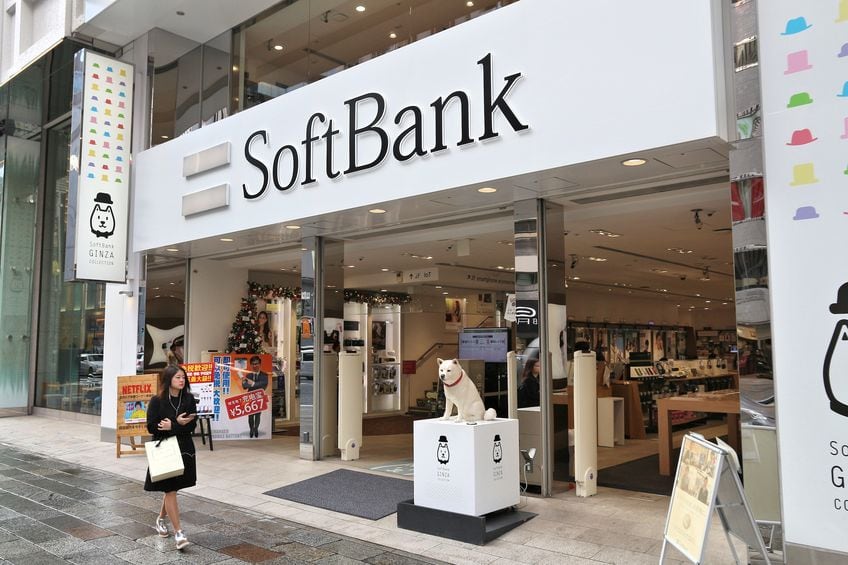
SoftBank stock skyrockets 16%: is its $64B OpenAI gamble paying off?
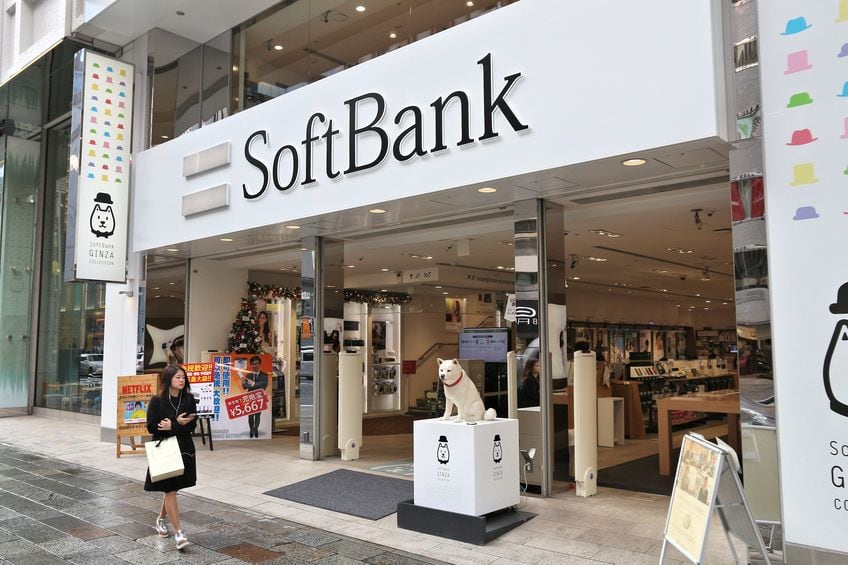
Japanese markets reopened after the Golden Week holidays to a powerful AI-driven rally on Thursday, with SoftBank stock soaring as investors rushed to catch up with gains already seen across global technology stocks.
Shares in the Japanese investment group jumped 16.4% on Thursday, according to market commentary, after a long holiday stretch in which US tech names kept surging, and Asian AI stocks stayed bid.
The move was powered by a simple but explosive story: Masayoshi Son’s biggest bet yet, a cumulative $64.6 billion commitment to OpenAI.
That equals about 13% of the company, which suddenly looked less like a moonshot and more like a wager that is already in the money.
The world’s most expensive AI bet
SoftBank has spent years telling investors that conviction beats caution.
On February 27, it said it would add another $30 billion to OpenAI through Vision Fund 2, taking its expected cumulative investment to $64.6 billion and its ownership to roughly 13%.
By the company’s own account, OpenAI had already generated a $19.8 billion investment gain for SoftBank by December-end.
This is a remarkable paper profit for an asset that still lives outside public markets.
The analysts have described SoftBank as a publicly traded proxy for OpenAI because of how tightly the stock now moves with the startup’s fortunes.
Thursday’s jump matters so much because SoftBank is no longer being read as just another Japanese conglomerate with a venture portfolio; it is being priced as a liquid vehicle for a private AI story that investors cannot buy directly.
The market is effectively asking if OpenAI keeps growing, can SoftBank’s balance sheet keep compounding fast enough to justify the debt, the concentration risk and the sheer scale of the bet?
SoftBank’s October–December quarter offered one answer, with the group reporting a ¥248.6 billion net profit and citing major valuation gains tied to its OpenAI investment.
Arm, AMD and the wider chip trade
SoftBank also owns roughly 90% of Arm, and that makes it deeply levered to the semiconductor side of the AI boom as well.
Arm’s own shares surged on Wall Street before Tokyo opened, and chip designers’ designs are increasingly favored for AI data centers because of their energy efficiency.
SoftBank’s own stock has become entwined with that story too, because Arm is both a strategic asset and a financing tool.
The company has expanded a margin loan secured by Arm shares to $20 billion.
The broader AI infrastructure trade got another lift from AMD, which on Wednesday said the market for server CPUs could grow by more than 35% a year through 2030, reaching more than $120 billion.
AMD’s forecast reflected a shift toward “inference” and “agentic AI,” where models are used in real-world applications rather than just trained in the lab.
SoftBank stock: Big rewards, bigger risks
The catch is that SoftBank still has some balance-sheet strain.
The group sold its Nvidia stake and part of its T-Mobile holding, while also increasing borrowings against its domestic telecom unit.
Its loan-to-value ratio rose to 20.6% at December-end, up from 16.5% three months earlier, showing how much leverage now sits underneath the AI strategy.
That is manageable while markets are rewarding risk, but it leaves far less room for disappointment.
The post SoftBank stock skyrockets 16%: is its $64B OpenAI gamble paying off? appeared first on Invezz